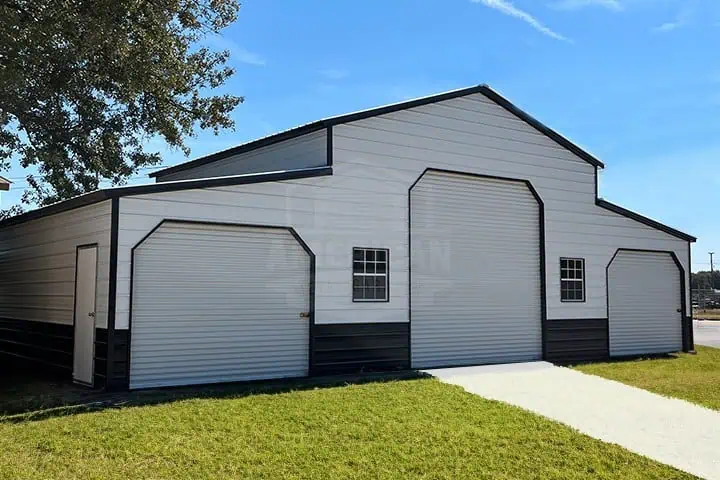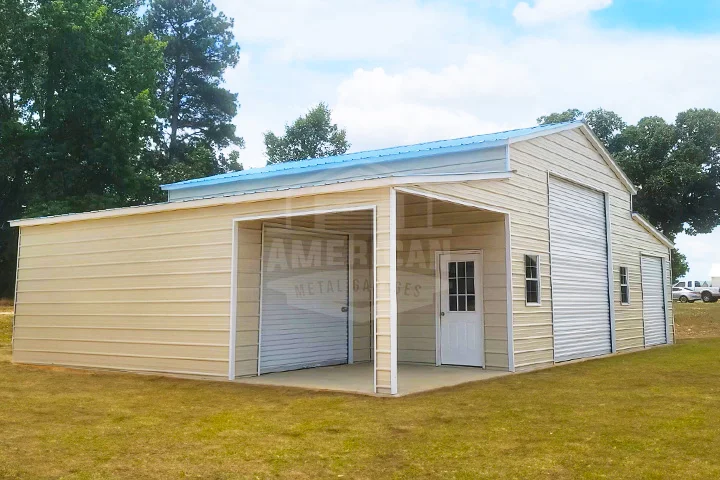



Let me tell it to you straight — lean-to buildings are one of the most practical additions you can make to your property. I’ve been working with metal structures most of my life, and I’ve built more lean-tos than I can count — for farmers, homeowners, mechanics, and just about everyone in between. If you need affordable cover that holds up for years, a lean-to just makes sense.
Got tools left out in the rain? A tractor baking in the sun? Hay that’s getting soaked? That’s where a lean-to plays an important role. I’ve put up plenty of these over the years, and just about every time, the customer ends up saying, “Should’ve done this a long time ago.”
Here’s everything you ought to know before building one.
What Exactly Is a Lean-To?
Think of a lean-to like half a building — it’s a single-slope roof that either stands alone or attaches to your main structure. You can leave the sides open for quick access or enclose them for more protection. Most lean-tos are built with 14-gauge steel frames and 29- or 26-gauge roofing panels, which provide long-lasting durability for everyday use. The simplicity of the design means it’s affordable and quick to put up without sacrificing strength.
Most folks opt for something around 12×20 or 12×30, but we’ve done them as large as 20×40, depending on the area that needs covering. Whether it’s protecting equipment or giving livestock a little shade, lean-tos are a flexible and cost-effective solution.
Real-World Uses for Lean-To Metal Building
Lean-to’s get used for more than you’d think — and not just by farmers.
- Tractor Shelter – Protect your investment from sun and rain.
- Implement Storage – Baler, brush hog, hay rake? Keep them dry and ready.
- Firewood Storage – No more soaked logs or fighting with tarps.
- Run-In Shelter – For goats, horses, cattle, a lean-to gives them cover without the cost of a full barn.
- Outdoor Workshop – Set up your welder, bench, even a vise, and work out of the wind and sun.
- RV or Camper Shade – Keeps things cooler and protects your rig’s finish.
- Backyard Patio Cover – Add shade off the side of your house or barn.
Bottom line? If you need covered space that’s flexible, this is it.
Why Lean-To’s Are Worth It
Here’s why I recommend lean-tos over and over again:
- Budget-friendly – You’re not building four walls. That means less steel, fewer materials, and lower cost.
- Quick install – If your site’s prepped, we’re often in and out in a day or two.
- Flexible layout – Open sides? Enclosed? Roll-up door? We build it how you need it.
- Tough and low-maintenance – Built from 14- or 12-gauge steel frames with 29- or 26-gauge roofing panels, a lean-to is designed to shrug off years of weather.
Certified models can handle up to 140 mph winds and 35 psf snow loads.
What to Know Before You Order
- Attaching to an existing building? Make sure the roof pitch, attachment height, and snow/wind certification line up with your main structure.
- What are you covering? Bigger equipment = higher clearance.
- Enclosed or open? Enclosing sides and back gives you more protection but adds to the cost.
- What’s the surface like? We can build on concrete, gravel, or level dirt — but flat is a must.
- Need a permit? Depends on your county. Some do, some don’t. Worth checking ahead.
Pro Tip: If you’re attaching to an existing structure, make sure the roof lines match up. This is key for long-term performance and proper water drainage.
Lean-To Pricing Guide
Here’s what typical lean-tos cost. (Your price may vary by location and design.)
| Size | Use Case | Price Range |
|---|---|---|
| 12×20 | Firewood, small equipment | $4,000–$5,500 |
| 12×30 | Tractor, hay, trailers | $6,000–$7,500 |
| 20×40 | Full combo build | $12,000–$16,000+ |
Note: Prices vary based on size, design, and certification level (snow/wind ratings). Coastal or heavy snow areas will require higher specs. In high-wind regions, you might need extra reinforcements, which could raise the cost a bit — but it’s worth it for long-term durability.
Who Typically Buys Lean-Tos?
- Farmers – Machinery storage, hay cover, livestock shelter
- Homeowners – Extra storage, shaded patio, parking space
- Mechanics & Welders – Outdoor work bays that don’t quit
- Horse Owners – Run-ins and tack areas beside barns
Common Questions (Answered from the Job Site)
Can I add a lean-to to my existing building?
Absolutely. We attach lean-tos to barns, garages, shops, or homes all the time. We just make sure roof lines and certifications match.
How tall should my lean-to be?
Depends on what you’re covering. Small equipment? 7–8 ft is fine. Tractors, RVs, or trailers? You’ll likely want 10–14 ft clearance.
Does a lean-to need footings?
Not always. On gravel or dirt, auger anchors work fine. For enclosed or heavy-use structures, concrete footers are best.
Final Word From the Field
Lean-to buildings just work. They’re simple, reliable, and incredibly useful. Whether it’s for storage, shade, livestock, or workspace, you’ll get more out of your property — and less stress when the weather rolls in.
We’ve built them across the country for just about every use you can think of. Open or enclosed, big or small — we’ll help you figure out the right fit and get it done right.
Not sure what size or setup makes sense for your place? Give us a call at 800-975-7709. We’ll walk through your needs, talk options for size, certification, and installation, and make sure you get a lean-to that works for your site and your budget — no sales pitch, just straight advice.