


Should I Choose Vertical or Horizontal Siding for My Metal Garage?
When someone starts designing their metal garages, one question always comes up:
Should I go with vertical siding or horizontal siding?
I’ve helped hundreds of customers make this choice over the years, and while it might seem like a small detail, the type of siding you pick plays a big role in how your garage performs, especially when the weather turns nasty. Let’s break it down so you can make the right call.
What’s the Difference?
Vertical Siding
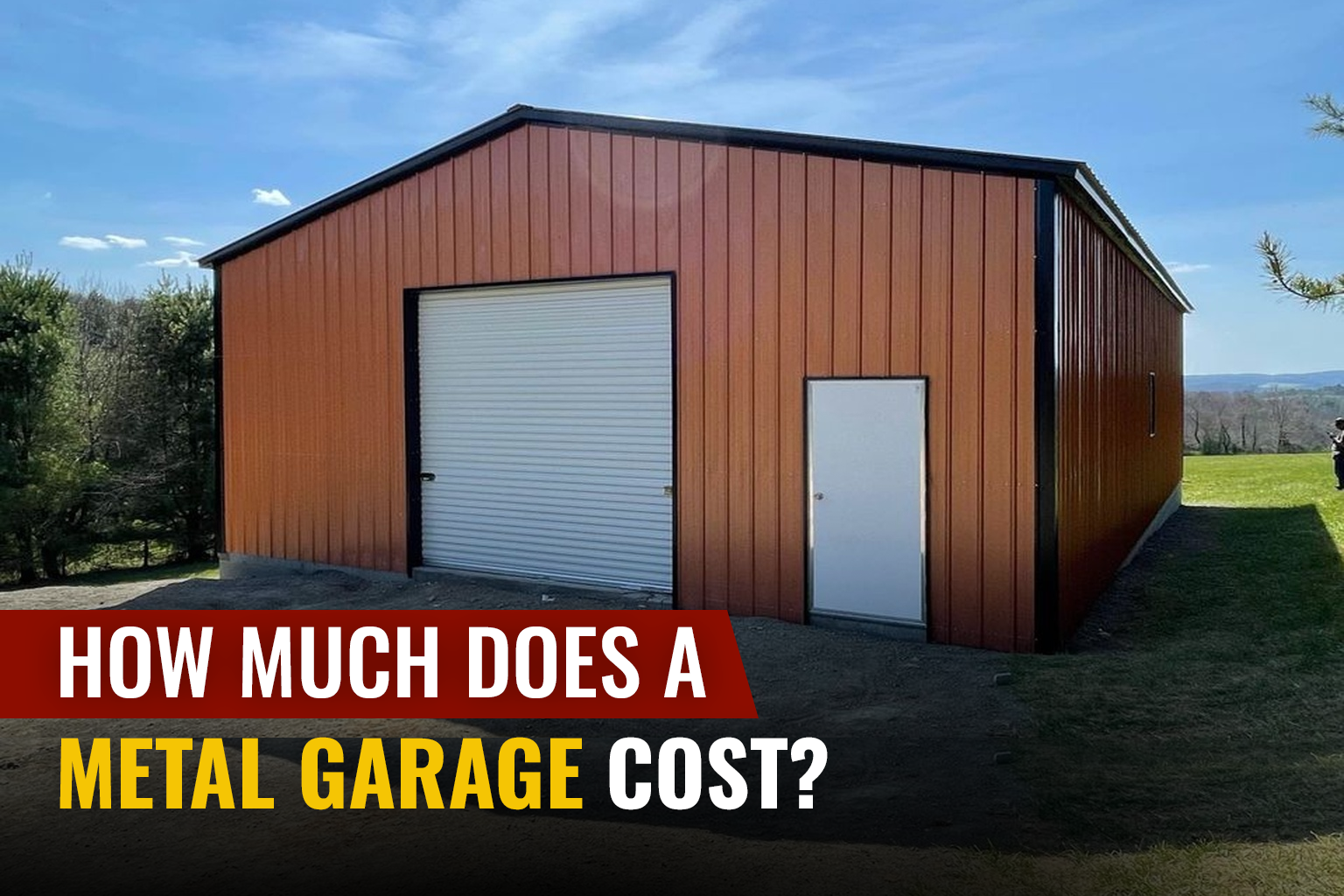
Panels run up and down the wall, from the roofline straight to the base.
Horizontal Siding
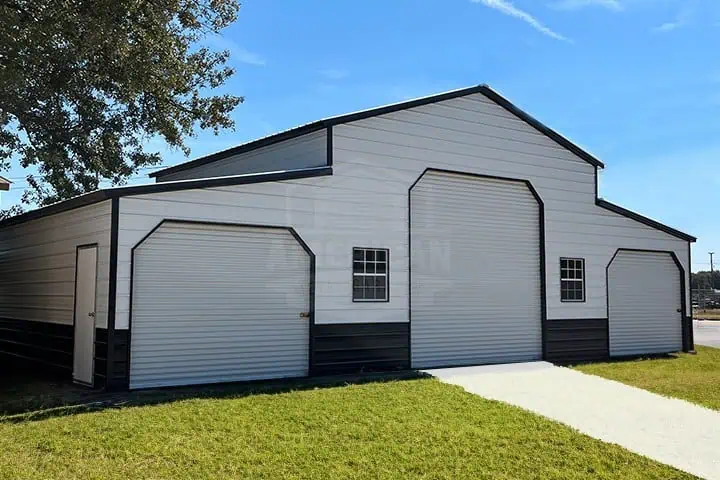
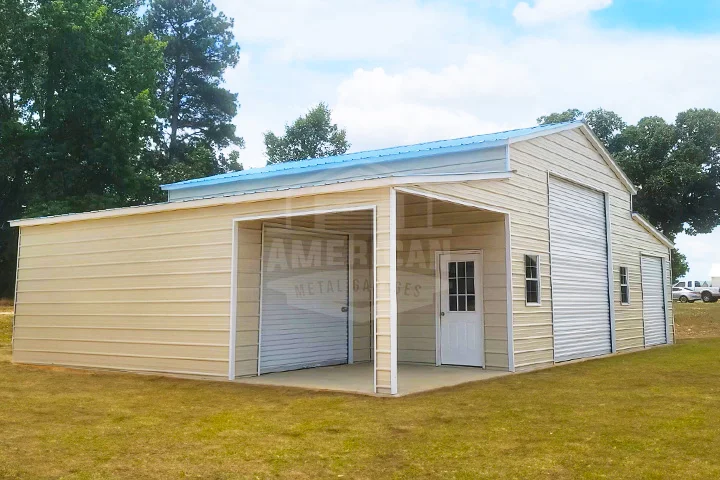
Panels run side to side, layered on top of each other like clapboard.
That’s the basic orientation. But the choice goes deeper than that.
How Each One Performs (Real-World Talk)
Vertical Siding – Built for the Long Haul
- Better water runoff – Rain rolls straight down. No ridges to catch debris, snow, or standing water.
- Stronger framing underneath – Vertical siding needs extra hat channels (horizontal supports), which stiffen the whole structure.
- Great for snow zones & wet climates – If you’re in a place where the forecast always includes “chance of rain,” go vertical.
- Sleek look – Most premium buildings pair vertical siding with vertical roofs, giving that crisp, symmetrical finish.
- More costly – Requires more framing and time to install. Materials also run a bit higher.
Horizontal Siding – Simple, Clean, Budget-Friendly
- Easier on the wallet – Less framing, faster install. Great if you’re keeping costs low.
- Still does the job – For dry areas or occasional light rain, horizontal is just fine.
- Works well on boxed eave buildings – Matches the horizontal trim lines, giving it that classic profile.
- Water stays longer – Heavy downpours can settle in panel ridges. Not ideal for places with long rainy seasons or snow melt.
Quick Visual: Vertical vs. Horizontal Siding
| Feature | Vertical Siding | Horizontal Siding |
|---|---|---|
| Panel Direction | Top to bottom | Side to side |
| Water Shedding | Excellent – rolls right off | Fair – may pool in panel ridges |
| Installation | More complex – extra framing needed | Simpler and quicker |
| Strength | More rigid due to the hat channel support | Standard strength |
| Appearance | Modern, sleek, and matches the vertical roof | Traditional, matches, boxed eaves |
| Cost | Higher material + labor | Lower upfront investment |
| Best for | Extreme climates, snow-prone areas | Normal to moderate climate conditions |
My Take as a Builder
I always ask two things before giving my advice:
- Where do you live? If you’re in the Southeast, Northwest, or anywhere that sees snow, rain, or freeze/thaw, I’m pushing for vertical siding. It just holds up better, looks cleaner longer, and sheds water like a champ.
- What is your goal for the building? If you’re looking to keep it simple and just need a utility garage or backyard storage, horizontal siding is a great way to save money without sacrificing too much.
But if you want that finished look — something that holds its value, resists weather, and feels custom — vertical siding’s worth every penny.
Final Word: Match Your Siding to Your Climate and Budget
There’s no wrong choice — but there is a smarter one based on your needs.
- Go vertical for durability, improved water control, and cleaner aesthetics.
- Go horizontal if you’re in a dry region or working with a tighter budget.
Got Questions? I’ve Got Time.
Give us a call at 800-975-7709— we’ll walk you through the pros and cons, no pressure. Just straight advice from folks who know this stuff inside and out.