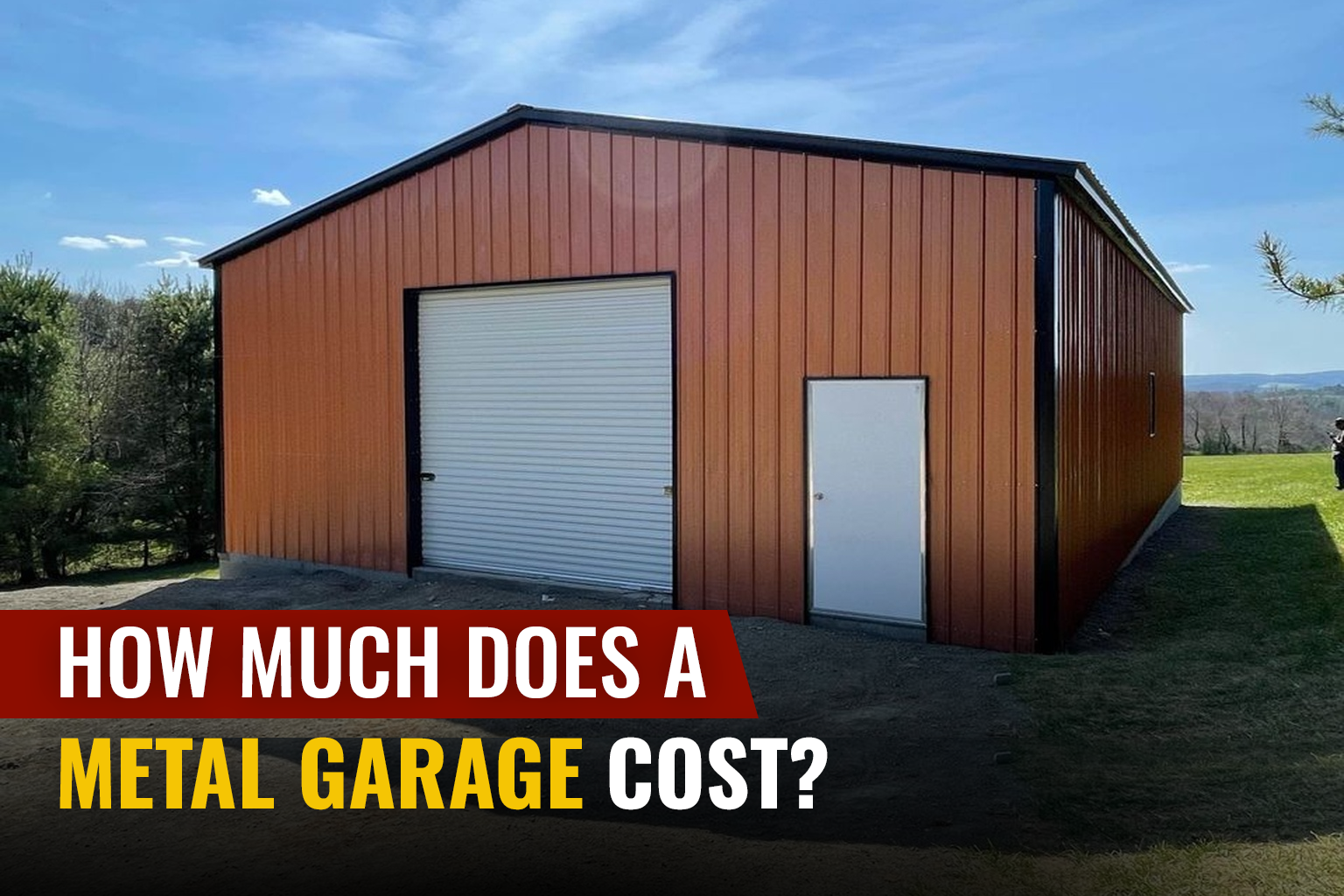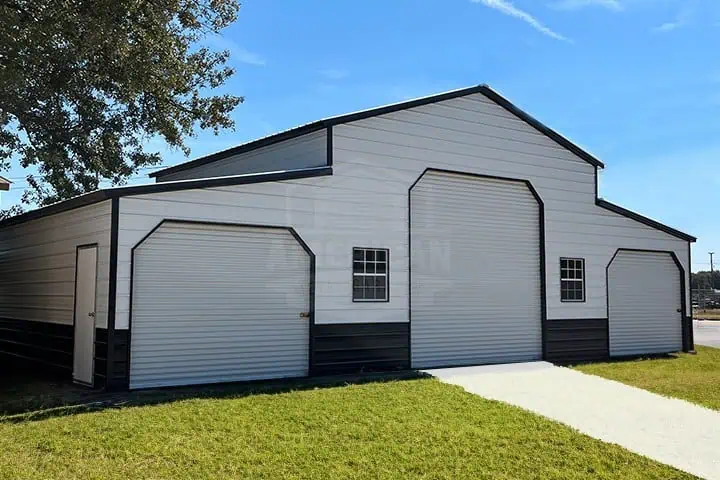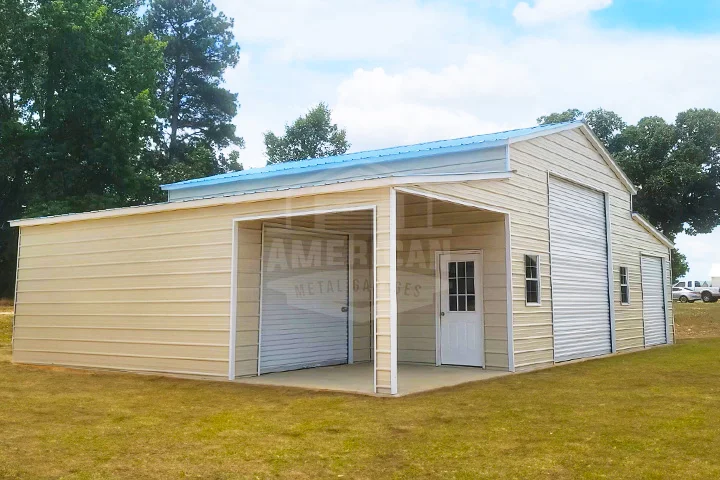



I’ve put up more metal garages than I can count, and I’ll be straight with you — a 30×60 is one of the best all-around sizes you can build. Not oversized like a warehouse, but not too tight either. Big enough to park your trucks, store your gear, run a shop, and still have room to move.
It’s the kind of size that works for homeowners, small business owners, farmers — just about anybody who needs real space without wasting money. And I’ll tell you this… most folks who go 30×60? They end up saying they should’ve done it years ago.
So How Big Is a 30×60, Really?
A 30×60 metal building gives you 1,800 sq. ft. of clear, usable floor.
Picture this: three two-car garages in a row. Or a good-sized ranch home with no walls inside. That’s your footprint.
Now add real things:
- Two full-size pickups
- A zero-turn mower
- A 4-wheeler or side-by-side
- Toolboxes, compressor, workbench
- Maybe even a lift
Still got room to walk around. That’s the difference. It’s not just about parking stuff — it’s about actually working in there without feeling cramped.
But here’s what I always say: it fills up fast. If your garage or barn is already full, don’t build too small again. A 30×60 gives you breathing room now and five years from now.
Real Setups we’ve Built (Or Seen Done Right)
No fluff here. These are actual 30×60 layouts I’ve built with my crew or seen customers put to good use:
Home Garage
Park three or four vehicles, store seasonal gear, and still have space for a workbench, fridge, deep freezer — even a little gym in the corner.
Mechanic Shop
Two lifts side-by-side, tire machine, compressor tucked in a framed room, and a back wall for parts storage. Add a 36″ walk door and maybe a small restroom up front.
RV + Boat Storage
Go 14′ sidewalls minimum. One tall roll-up (12×14 or 14×14), open floorplan. Still have space for shelving or a utility sink.
Farm Use
Tractors down the middle, feed on one side, hay bales or fencing gear on the other. Lean-to on the sunny side for trailer parking or shaded storage.
Contractor Base
I’ve seen welders, roofers, HVAC guys run crews out of this size. Frame in a 15–20′ front office, keep trucks, tools, and stock in the back. Simple and efficient.
This size ain’t just for storing stuff — it’s a true working building, and still small enough to avoid triggering high commercial tax rates in most counties.
What a 30×60 Metal Building Costs (Based on Real Jobs)
Let’s talk numbers. Pricing varies depending on your location, site, and options — but here’s a real-world range:
| Build Type | Starting Cost | With Concrete, Insulation, Doors |
|---|---|---|
| Light-duty (non-certified) | $18k – $25k | $28k – $35k |
| Certified 12-ga w/ vertical roof | $25k – $35k | $40k – $55k |
| Fully loaded (tall doors, lean-to, insulation) | $35k – $45k | $55k – $65k+ |
Pro tip: Go vertical roof, 12-ga steel, and insulate from the start. Don’t skimp on doors — you’ll use them every day.
What Affects Price (Besides Just Size)
- Height: Taller walls = more steel = higher price. If you plan to install a lift or store an RV, go at least 12′–14′.
- Roof style: Vertical panel roofs cost more but shed water, snow, and debris better — especially in wet or windy areas.
- Framing & certification: 12-gauge framing holds up better in snow or high-wind zones. Florida, Midwest, Northeast — don’t risk underbuilding.
- Site access: Hard-to-reach lots add time and delivery cost.
- Concrete: Not included in most quotes. Budget $4–8/sq. ft. for a 4″ slab with rebar or mesh.
Layouts That Just Plain Work
Shop + Storage
40′ open bay for vehicles and equipment. Back 20′ walled off for tools, parts, or a clean little office.
RV + Side Workshop
14′ sidewalls, tall roll-up in the center. 20′ of side space for benches, shelving, and tool storage.
Contractor Layout
Front 15′ framed in with a man door and window — small office or crew room. Back 45′ stays open for trucks and gear.
Farm Flow
Roll-ups at both ends — drive through with tractors or hay wagons. Shelving down both sides. Add a 12′ lean-to for dry storage.
Clear-span design = no center posts. Set it up how you want, not how framing dictates.
Add-Ons That Are Worth Every Penny
- Insulation: R13 walls, R19 roof — stops moisture, cuts heat, and makes resale easier.
- Windows: Just 2 can make a huge difference. 30×36 is a common sweet spot.
- Walk doors: One up front, one in back — save steps, boost safety.
- Lean-tos: Budget-friendly covered space for trailers, firewood, or outdoor work.
- Tall roll-up doors: Even if you *might* go RV or lift later — size it now, not later.
- Two-tone wainscot: Looks sharp, hides grime, adds curb appeal.
Why Steel Beats Everything Else
- No rot, no termites, no sagging beams.
- Fast install — usually dried-in within a week.
- Low upkeep — rinse it once a year, check fasteners after storms.
- Handles wind better than wood or pole barns.
Talk to a Real Building Pro — No Guesswork
Thinking about putting up your own 30×60? Don’t guess your way through it. Give us a ring at American Metal Garages — you’ll talk to someone who’s actually built these buildings, not a call center. We’ll walk you through the right specs, local codes, and the smartest way to set it up for how you’re gonna use it.
FAQs
How much does a 30×60 metal building cost?
Installed prices typically range from $25,000 to $65,000+, depending on your build specs, location, insulation, and door configuration.
What’s the best sidewall height for a 30×60 RV garage?
Go with 14′ sidewalls minimum to fit most Class A motorhomes or fifth-wheel trailers with room to spare.
Is a 30×60 building big enough for a lift and multiple vehicles?
Yes. You can comfortably fit two vehicle lifts, workbenches, and still have open space for parking or storage.